

Scott Anders is a nationally recognized expert in criminal justice and innovative leader with thirty-five years of experience working in corrections, community corrections and reentry: twenty-three years of upper-level management and twenty-five years working in partnership with other federal, state, and local law enforcement and jails, government agencies, community partners, and courts nationally. Over 20 years of extensive work in leading teams to create and implement training, apprenticeships, workforce development programs, and employment opportunities for residents in correctional environments and under supervision in the community. Scott also implemented innovative strategies to reduce placement and lengths of stay in restricted housing units, including those with mental health needs. As a certified Offender Workforce Development Specialist and Instructor, Scott trained over 500 specialists in the OWDS curriculum nationally in all 50 states, Puerto Rico, Virgin Islands and Guam, and planned 12 national reentry conferences while leading First Step Act and Second Chance Act national reentry working groups and federal partnerships with Bureau of Prisons, Department of Justice, Department of Labor, Veterans Affairs, Housing and Urban Development, Social Security Administration and Selective Service Administration.
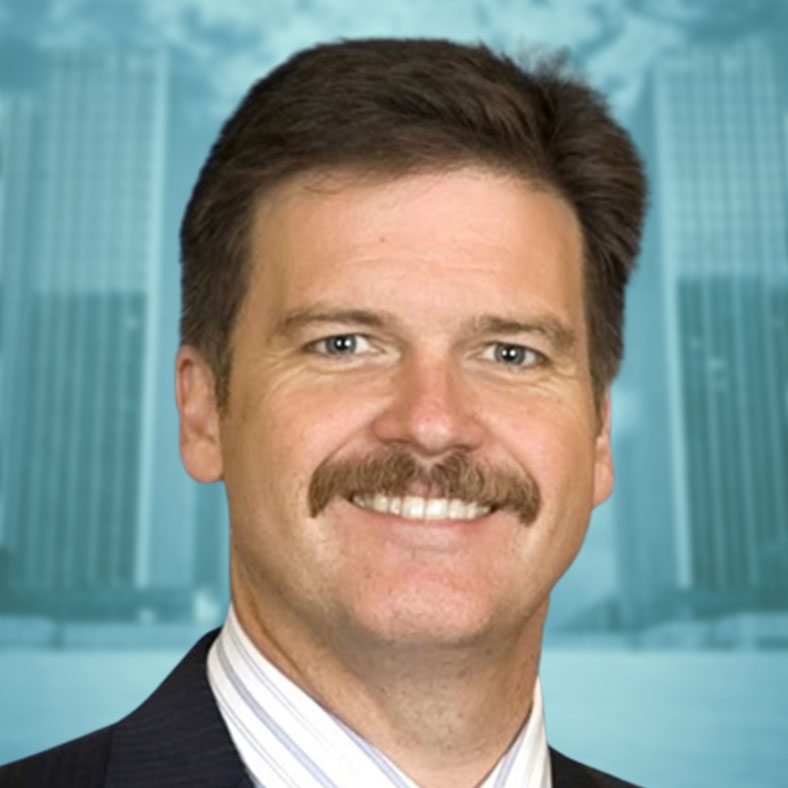
As Director, Department of Justice Services (DJS), St. Louis County, MO, Scott has transformed the largest jail in Missouri to be rated highest in accreditation standards in the national by American Corrections Association. Under Scott’s leadership, DJS has been certified as the only jail in Missouri with a Department of Labor Apprenticeship Program for Corrections Officers and one-year housing allowance for veterans through the Veterans Administration. Tablets are provided for each resident to expand communication with family and access to educational materials and entertainment. The jail population has been reduced by 25% through expansion of the MacArthur grant and implementation of GPS location monitoring and transitional housing program. Training has also been expanded, including leadership development for staff and defensive tactics. In Summer 2022, St. Louis Community College will begin providing college and other educational courses to residents. Pathways to apprenticeship through Building Union Diversity have also provided career vocational opportunities.
Prior to joining St. Louis County, he served as Chief U.S. Probation Officer, Eastern District of Missouri, where he led the development of a federal partnership to implement a national systems-approach to reentry. Scott retired after 23 years of federal service. The Eastern District of Missouri implemented education, employment, home ownership, reentry courts, cognitive programs, financial management, housing, and other reentry strategies that have reduced recidivism in the District to 6.5 percent, significantly less than the 67.5 percent reported nationally, despite the District having the highest risk caseload in the federal system. The District also hosts the national forensic lab serving over 60 Districts, regional drug lab, automated risk assessment for over 50 Districts, the system’s only gang reentry court, a veteran’s court, mental health court, and drug court, as well as a canine search unit detecting drugs, electronic devices, and firearms.
The District was recently recognized as the model for “What Works in Community Supervision ” in Federal Probation Journal. These evidence-based practices have been presented at the White House during the past three administrations. Scott also presented for the Brookings Institute at the National Press Club and at national conferences for the U.S. Department of Labor, American Correctional Association, American Probation and Parole Association, National Correctional Industries Association, National Homeless Veterans, National Career Development Association, National Offender Workforce Development, and International Community Corrections Association.
Scott began his career with the Missouri Department of Corrections and developed partnerships at the local, state and federal levels to enhance public safety and assist offenders in becoming productive members of the community. Scott was President of the Missouri Corrections Association and also served on the Governor’s steering team for the Missouri Reentry Process to implement similar reentry strategies.
Scott achieved a Masters of Public Administration at the University of Missouri in Columbia, Missouri in 1994. His educational background also includes Bachelor of Arts degrees in Public Relations and Communication from William Jewell College in Liberty, Missouri, and a two-term honors study emphasizing ethnic relations and logic at Oxford University in England.